
Many contractors live focused on the next job and the next check. The background paperwork (company documents, insurance, and financing) gets left for later. But that paperwork is what matters the day a lawsuit, an accident, or a week without getting paid arrives.
This article is for owners of construction, landscaping, roofing, or remodeling businesses who want to know what to review. You will see three business basics, what official sources say, and what questions to ask your insurance agent, your bank, and your attorney.
This is general, educational information. The rules change depending on your state, your type of business, and your case.
In short
- Company documents help show that the business is separate from you, but they are not the only thing that matters, nor a guarantee.
- Insurance only helps if it covers your real work. Read the limits, exclusions, and who is insured.
- In California, an employer with employees normally must have workers' compensation coverage (insurance for job-related injuries). Confirm your case with the official agency.
- Before accepting a cash advance or a loan, ask for the total cost in writing and compare it.
- Keeping your business and personal finances separate makes everything above easier.
Corporate record book and separation between you and your business
The corporate book is the binder with your company's documents: operating agreement (the contract between the members of an LLC), minutes, owner register, and major changes.
It serves to record how decisions are made. If a partner, a bank, or a judge asks, you have everything in writing.
So, does it protect your personal assets by itself? No. A judge decides case by case whether to treat the company and the owner as one person. In California, LLC law says members can be held liable under the alter ego doctrine (when the company and the owner act as one), just like a shareholder in a corporation. The text of Corporations Code §17703.04 also says that not holding meetings, by itself, does not count as a factor against you, unless your operating agreement requires those meetings.
Judges usually look at many things: whether the company has its own money, whether it pays its bills, whether it is active with the state, and whether the owner treats it as something separate. A business attorney can tell you what applies to your case.
To start, check on the state website that your entity is in good standing. The California Secretary of State publishes FAQs about filings and entity status.
Insurance for contractors: what to check in your policy
Having a certificate of insurance is not the same as being well covered. Before you sign, ask your agent to explain the policy in plain words. The California Department of Insurance has a commercial insurance guide that explains the types of coverage.
These are three coverages worth reviewing:
- General liability: covers damage to third parties, such as damaged property. Check the limits, the exclusions, and whether your type of work is covered. Some contracts require minimum limits.
- Workers' compensation: pays for medical care and part of the lost wages of an employee injured on the job. In California, the general rule is that an employer with one or more employees must carry it. The DIR's Division of Workers' Compensation (DWC) explains the rules. If you are unsure whether someone is an employee or a contractor, check with an attorney or the agency.
- Commercial auto: personal auto policies may limit or exclude using the vehicle for work. Ask your agent how your truck and your tools are covered, and who can drive it.
Example: a gardener uses his personal pickup to carry equipment to five houses a day. If there is a crash, the insurer reviews how the vehicle was used. That is why it pays to ask before, not after.
Business financing: beware of fast money
When cash flow is tight, it is tempting to take whatever is fastest. Some products, like merchant cash advances, charge daily or weekly payments that can squeeze your cash flow even more.
Not all fast financing is bad, but you should compare the total cost. In California, the DFPI explains the commercial financing disclosure rules: certain offers must show the amount, the total cost, the term and the payment method.
Before signing, ask:
- How much will I pay in total, and over how long?
- How often are payments made and how are they collected?
- Are there penalties or costs to pay first?
- Is there a personal guarantee on my assets?
Also compare with a bank, a credit union, or SBA-backed programs. Keeping your books up to date helps you show real income and expenses when you apply for credit.
And keep your personal money and the business's separate. Clear records make credit easier and, depending on the case, help defend the separation between you and the company.
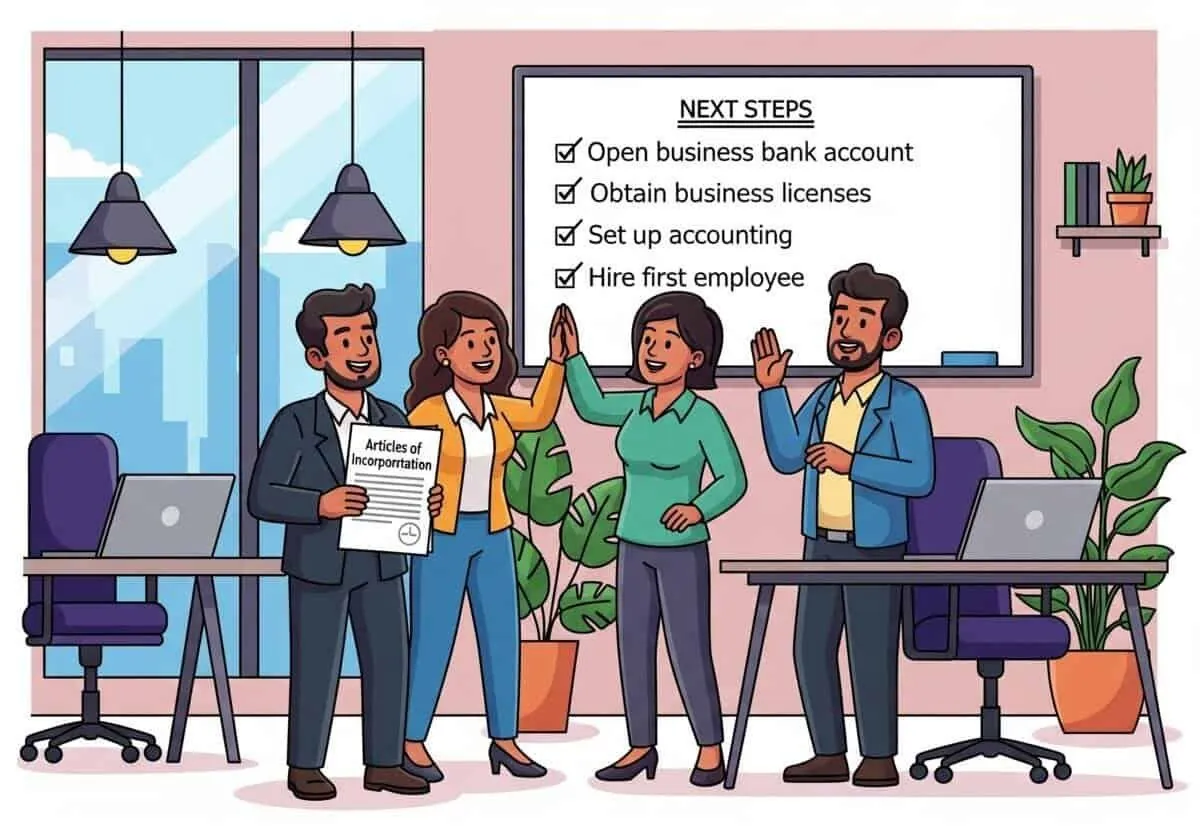
What to do now
- Confirm that your entity is active and in good standing with the state.
- Put your operating agreement, minutes, and owner register in one place.
- Ask your agent to explain the limits and exclusions of each policy, in writing.
- Ask whether your work vehicle is properly insured.
- If you have employees, confirm your workers' compensation coverage.
- Before taking an advance or loan, ask for the total cost and compare it with other options.
When to talk to a professional
Talk to a lawyer if you get sued, if the partners change, or if you have questions about your operating agreement. Talk to your insurance agent about coverage, and to a tax preparer, CPA, or enrolled agent about the tax effect of a loan.
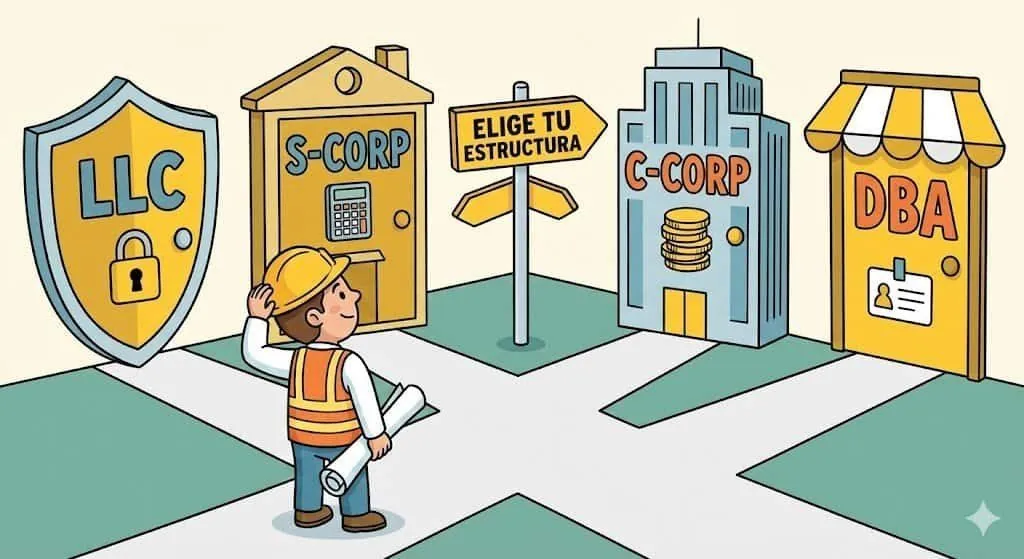
Your business structure (LLC, corporation) also depends on your situation. The SBA explains business structures and recommends consulting professionals.
How ODC helps you
At ODC, we keep your books (bookkeeping) up to date so you know how much comes in, how much goes out, and what you can afford to pay. Learn about our bookkeeping service. You can also read about business structure: LLC, S-Corp, C-Corp, and DBA and about how well protected your business is against a workplace accident.
Insurance, legal matters, and taxes are handled by independent partners and licensed professionals.
References
- California Secretary of State: Business entities FAQs — frequently asked questions about registration and entity status.
- California DIR/DWC: Workers' compensation FAQs — general coverage rules for employers.
- California Department of Insurance: Commercial Insurance Guide — types of commercial insurance.
- California Corporations Code §17703.04 — liability of LLC members and alter ego.
- DFPI: Commercial financing disclosures — cost disclosures for commercial financing.
- SBA: Choose a business structure — how your structure affects your personal exposure.
This article is for information and education only. It is not legal, tax or bookkeeping advice. We are a bookkeeping service: for tax matters, consult a tax preparer, CPA or enrolled agent.
Do you want to know how your business is really doing?
Message us or call us. We answer in Spanish, no strings attached.
Message us on WhatsAppThis article is for information only and is not a substitute for legal advice.